
Oregon’s shorty turns 135
Cape Meares Lighthouse, short on stature but long on service
By Chelsea Yarnell
For the TODAY
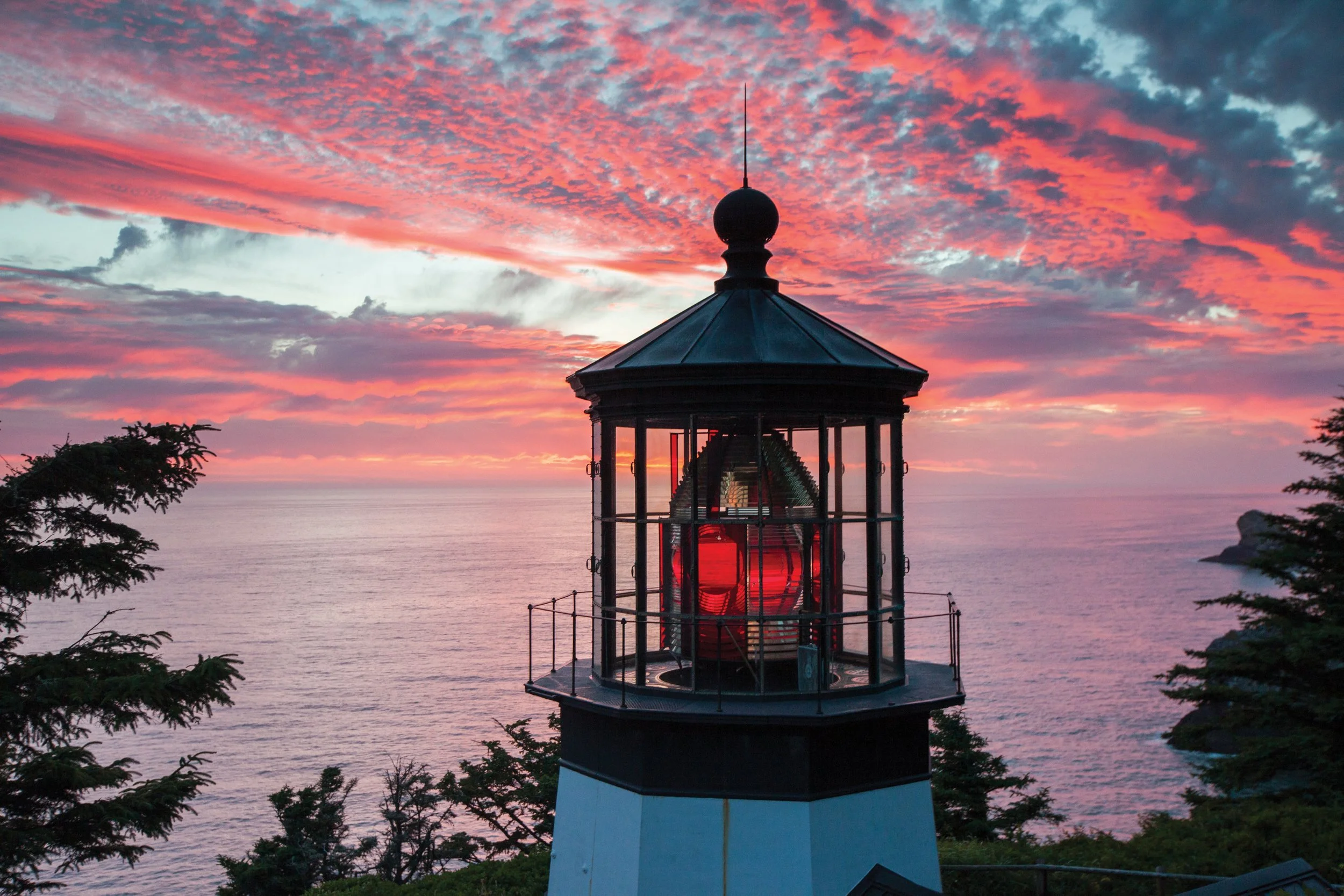
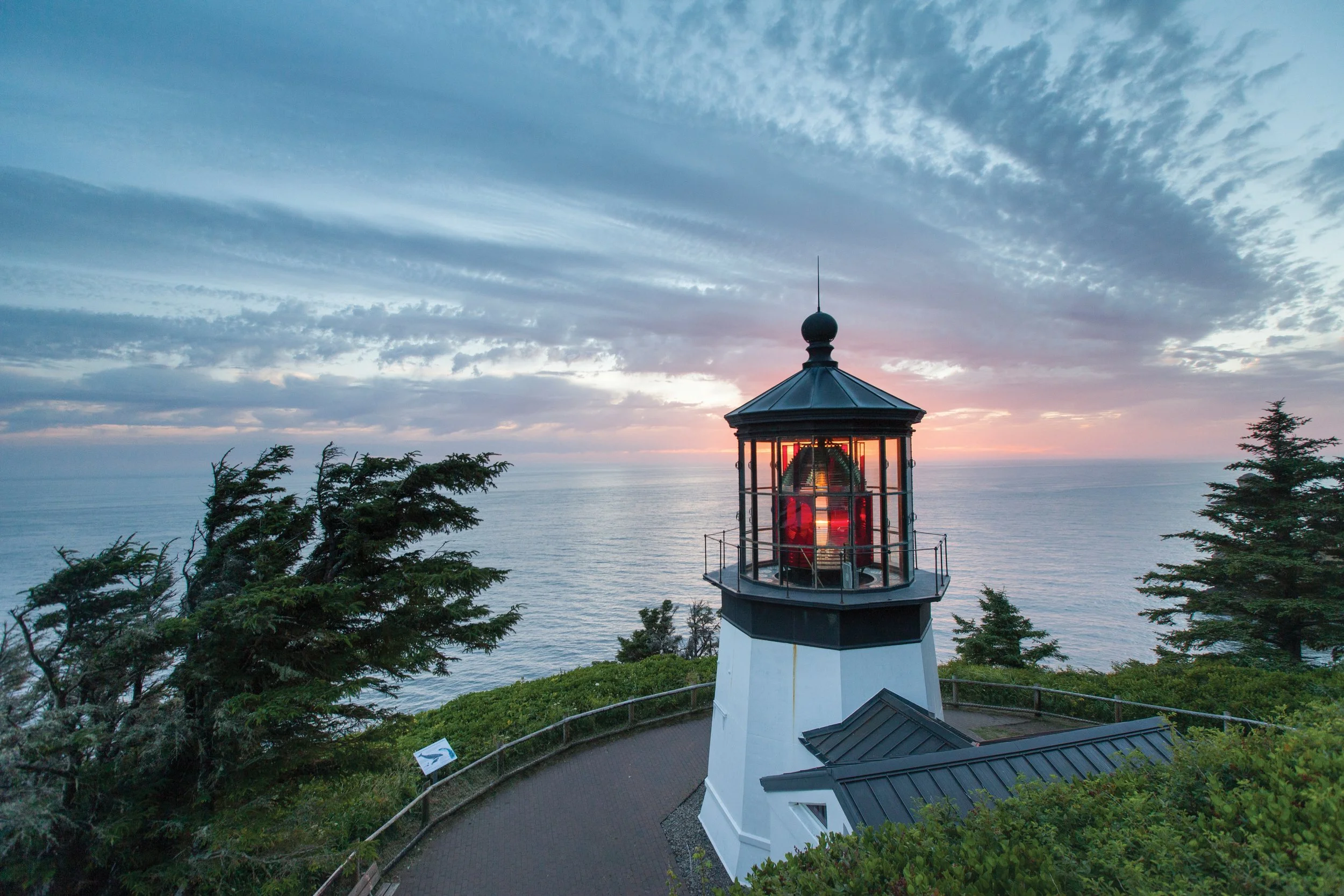
For decades, a beacon of light shone from the tiny but mighty Cape Meares Lighthouse, guiding the way for mariners at sea. Now, with the innovation of automated light beacons, the lighthouse has become a popular site for photographers, lighthouse enthusiasts, bird watchers and sightseers to the Oregon Coast.
The lighthouse will celebrate its 135th birthday this Saturday, Aug.16, at an event hosted by the Friends of Capes Meares Lighthouse, featuring trivia, nature journaling, bird watching, local history, a scavenger hunt and more.
“We’ll have different organizations at tables set up to interpret the area and give out information,” said Friends of Cape Meares Lighthouse Coordinator Lise Zimmerman. “The wildlife is amazing and it’s one of the most beautiful places on Earth; the geology, nesting seabirds, elk and the deer, and occasional lizards. For anyone who likes history and parks, there will be something that you like.”
Joining the Friends of Capes Meares Lighthouse tabling stations at the event are Oregon State Parks, US Fish and Wildlife, Netarts WEBS, Tillamook County Pioneer Museum, Garibaldi Maritime Museum and the Tillamook County Master Gardeners.
“The lighthouse is a really important part of the history of the area,” Zimmerman said. “The surveying that was done to build it and the ties it has to the maritime history of Tillamook. If you haven’t visited in a long time, come and get a little bit of extra information from these organizations.”
The Cape Meares Lighthouse was built in 1889 out of bricks that were made right on site. It was named for Captain John Meares who was the first to sail into Tillamook Bay, naming it “Quick Sand Bay” because of the mud at low tide. The lighthouse was commissioned on January 1, 1890, and remained operational until it was decommissioned on May 6, 1963. Standing at 38 feet tall, it has earned the title of “shortest lighthouse in Oregon.”
“Being the shortest lighthouse in Oregon, it gives visitors the closest view of a lighthouse lens without having to be inside,” Zimmerman said.
The lighthouse lens is a first order Fresnel (pronounced “Fraynel”) lens made in Paris, France. It was shipped around Cape Horn, up the west coast to Cape Meares and then hauled 217 feet up the cliff by a wooden crane built from local timbers native to the area.
The light was created by a five-wick oil lamp with a reflector and produced about 30 seconds of fixed white light. The primary lens produced 18,000 candlepower and the bull’s-eye lens produced 160,000 candlepower that could be seen 21 nautical miles out at sea. It was turned by a 200-pound lead weight that was wound by a system similar to a grandfather clock. It turned for two and half hours on one winding at a pace of four minutes per full revolution. The walls were made 15 inches thick to protect the area from the danger of fire in the building. The keepers' houses were originally located where the parking lot and kiosk are now.
After the lighthouse was decommissioned in 1963, it stood vacant for a number of years and was heavily vandalized.
“Damage occurred to the lens when it was first decommissioned and then again in 2010 when it was shot,” Zimmerman said, adding that the Friends of Capes Meares Lighthouse hopes for financial support for some repairs that would make the lens appear as it did when it was functional. Work on the lighthouse is anticipated to begin in 2026.
While tours of the lighthouse are closed, an attached interpretive gift shop in its former workroom is open daily through September 30 from 11 am to 4 pm. The shop features souvenirs related to lighthouses and the sea.
Cape Meares State Scenic Viewpoint is located 10 miles west of Tillamook on the north end of the Three Capes Scenic Route. The park is open daily from 7 am to dusk with no day use fee. Features within the park include the lighthouse, an information kiosk, interesting viewpoints where visitors can view off-shore rocks for native birds and the annual whale migration, the Three Arch Rocks National Wildlife Refuge, nature trails and the Octopus Tree, an Oregon Heritage Tree. A paved 0.2-mile path leads from the main parking area to the lighthouse.