
Tips for crabbing on Alsea Bay
By Cameron Huber
For Oregon Rainforest Adventures
There’s a particular kind of suspense in pulling a crab ring from Alsea Bay. The rope tightens, the basket takes shape beneath the surface and, until it breaks the water, dinner remains a possibility rather than a promise.
For visitors to Waldport, crabbing offers a hands-on introduction to the estuary. A modest collection of gear can get you started, and you don’t necessarily need a boat. The challenge is learning to work with the bay’s tides, currents and changing conditions.
Alsea Bay has deep channels, broad flats and an ocean entrance without protective jetties. That combination creates opportunities for crabbers, but it also calls for care. The Oregon Department of Fish and Wildlife warns that strong outgoing tides and ocean swell can make the mouth dangerous. Beginners should concentrate on accessible bay locations rather than treating an ocean crossing as part of the outing.
The Port of Alsea is a useful starting point for planning. Dock crabbing offers an option for people who prefer solid footing, while a boat allows more freedom to try different locations. For rental information and day-to-day crabbing conditions, the port directs visitors to Dock of the Bay Marina at 541-563-2003.
Before baiting anything, sort out the paperwork. Anyone aged 12 and older needs an appropriate Oregon shellfish license. For Dungeness crab, the daily limit is 12 males, each measuring at least 5¾ inches across the back immediately in front of the shell’s outer points, excluding those points. A rigid crab gauge makes that measurement straightforward. Each person may use a total of three crab rings, baited lines or pots in combination.
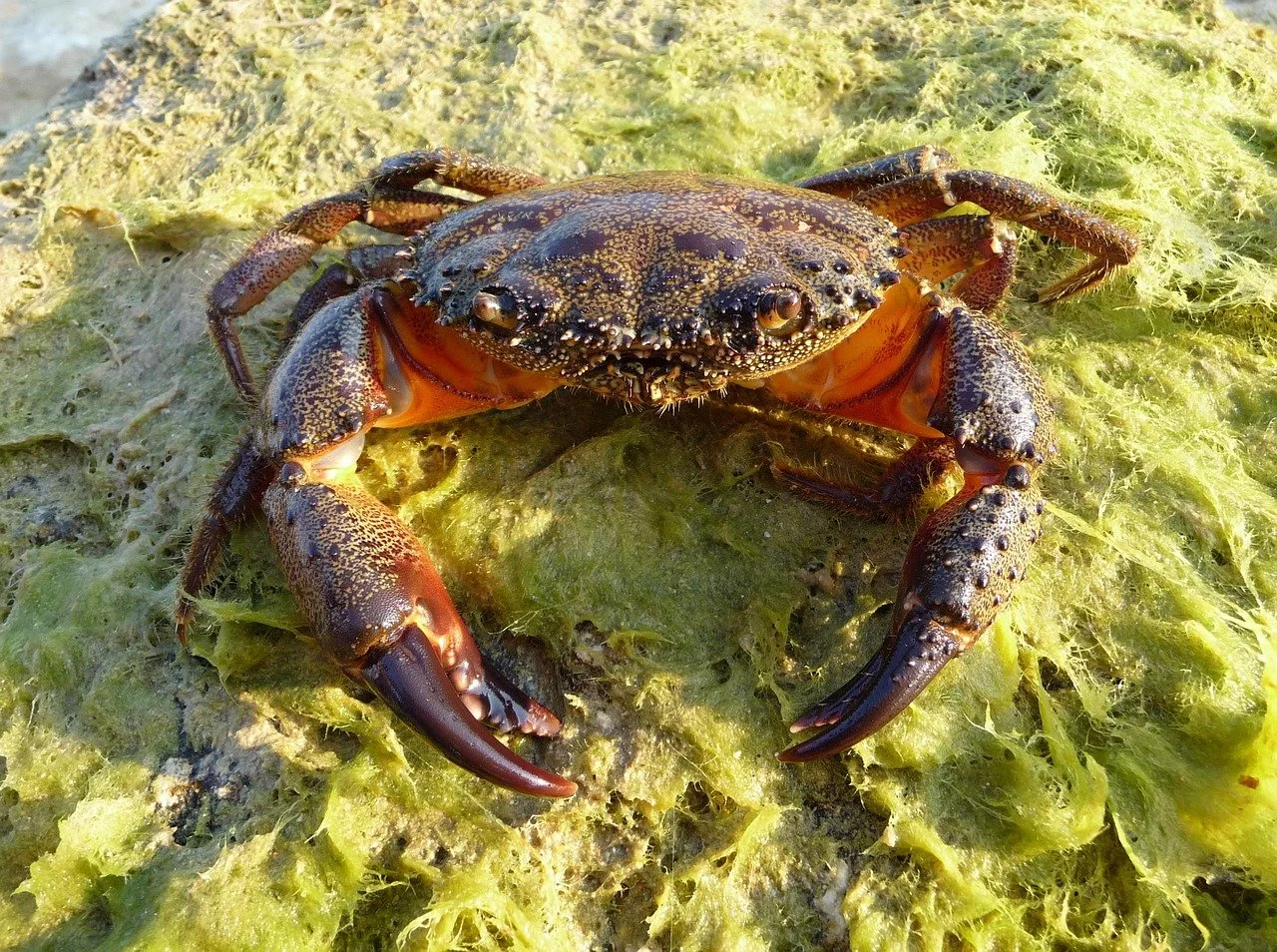
Learn to identify males before the first basket comes aboard. On the underside, a male’s abdominal flap is narrow and pointed, while a female’s is broader and rounded. Return female and undersized Dungeness promptly and gently. Gloves help protect hands, but careful handling matters just as much: those claws deserve your full attention.
Timing can make the difference between an enjoyable session and an afternoon spent wrestling gear. Slack water around high or low tide is generally favorable because currents ease and crabs can forage more readily. Heavy rain can make bay crabbing less productive, so a dry spell might improve prospects. Fall often brings fuller, harder-shelled crab.
For a first outing, rings are a simple choice. They are relatively inexpensive, easy to check and useful when you want to try several spots. Secure chicken, fish carcasses or turkey in a bait cage, check the rope and make sure its length suits the depth. From a dock, secure the shore end before sending the ring overboard.
Allow about 10 to 15 minutes before checking a ring. Start the lift briskly to raise its sides, then maintain a steady pull. Pots generally need longer, with the state suggesting an initial soak of 30 to 60 minutes. Keep boat-set gear outside navigational channels and follow buoy-marking requirements.
A small boat opens possibilities along channel edges and deeper water, but finding crab should never take priority over controlling the vessel. Wear a properly fitted life jacket, watch the weather and avoid loose rope around feet or equipment. If current makes setting or retrieving gear difficult, move to a safer location or wait.
Food safety begins before harvesting. Check the Oregon Department of Agriculture’s recreational shellfish closure information or call 1-800-448-2474 before every trip. Open seasons do not override a biotoxin closure, and a successful catch does not establish that crab are safe to eat. Cooking does not destroy shellfish biotoxins.
Keep legal crab cool and follow current handling guidance. The agriculture department advises removing and discarding the internal organs, sometimes called “butter,” before cooking. Discard cooking liquid rather than using it for stock, sauces or soup, because toxins can move into the liquid. Cleaning is not a substitute for observing closures.
Pack a gauge, gloves, bait, suitable gear and a cooler, along with water and layers for changing coastal weather. Check access conditions locally, leave room for other dock users and carry out every scrap of bait packaging and line.
Then settle into the rhythm: bait, lower, wait and pull. Some baskets deliver keepers; others deliver practice. Either way, Alsea Bay offers a reason to slow down and pay attention to the water. For regulations and local shellfishing maps, go to myodfw.com.
This article is published in partnership with Oregon Rainforest Adventures. For more about outdoor adventures on the Oregon Coast, go to www.orrfa.com.